

Weekly Digest: May 27
Vlad Tenev shares the story about a question that prompted him to create Robinhood, a thoughtful look at how the body recalibrates around water, and Paul Klee's juggler.


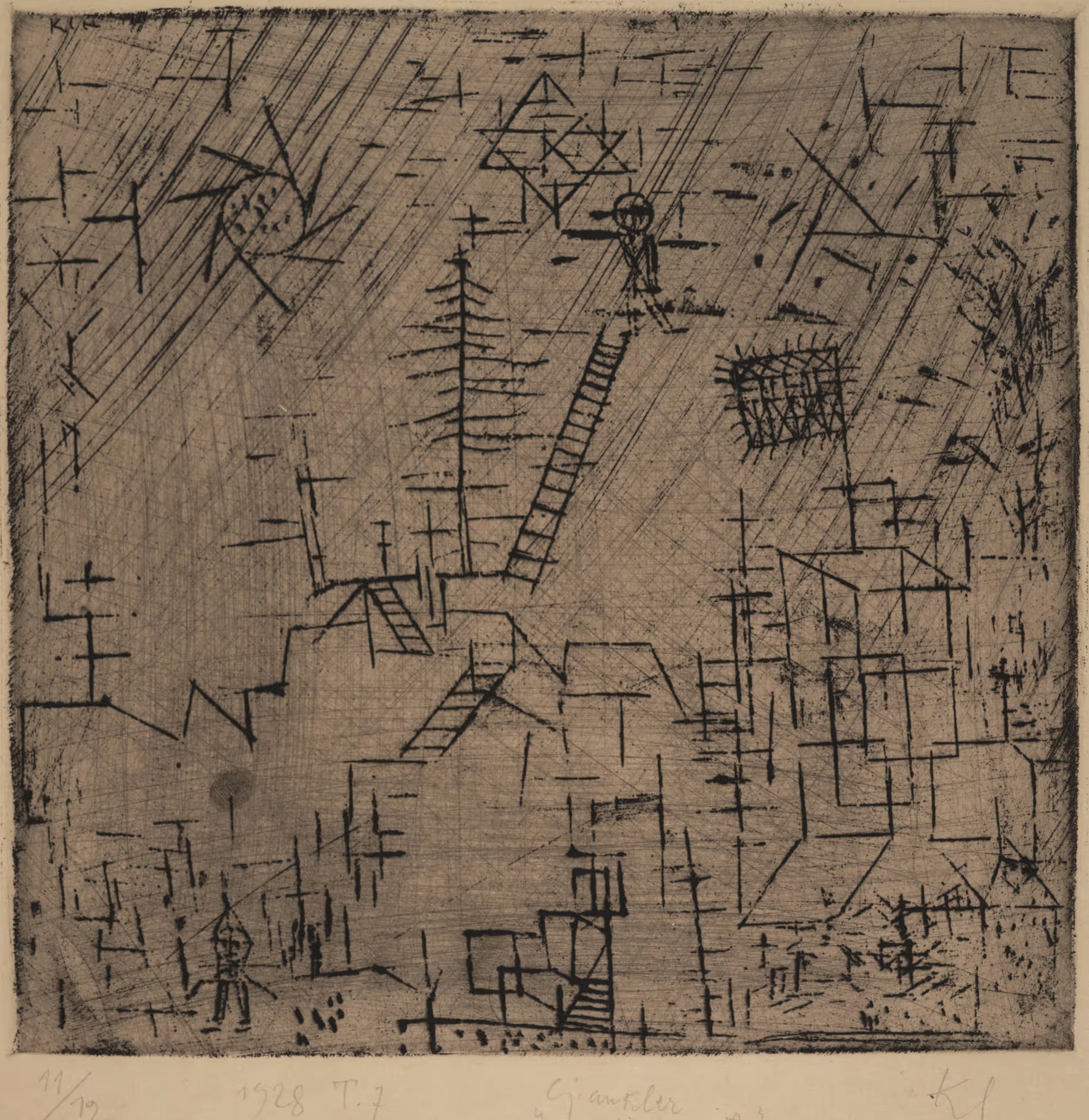
Juggler in April (Gaukler im April) by Paul Klee

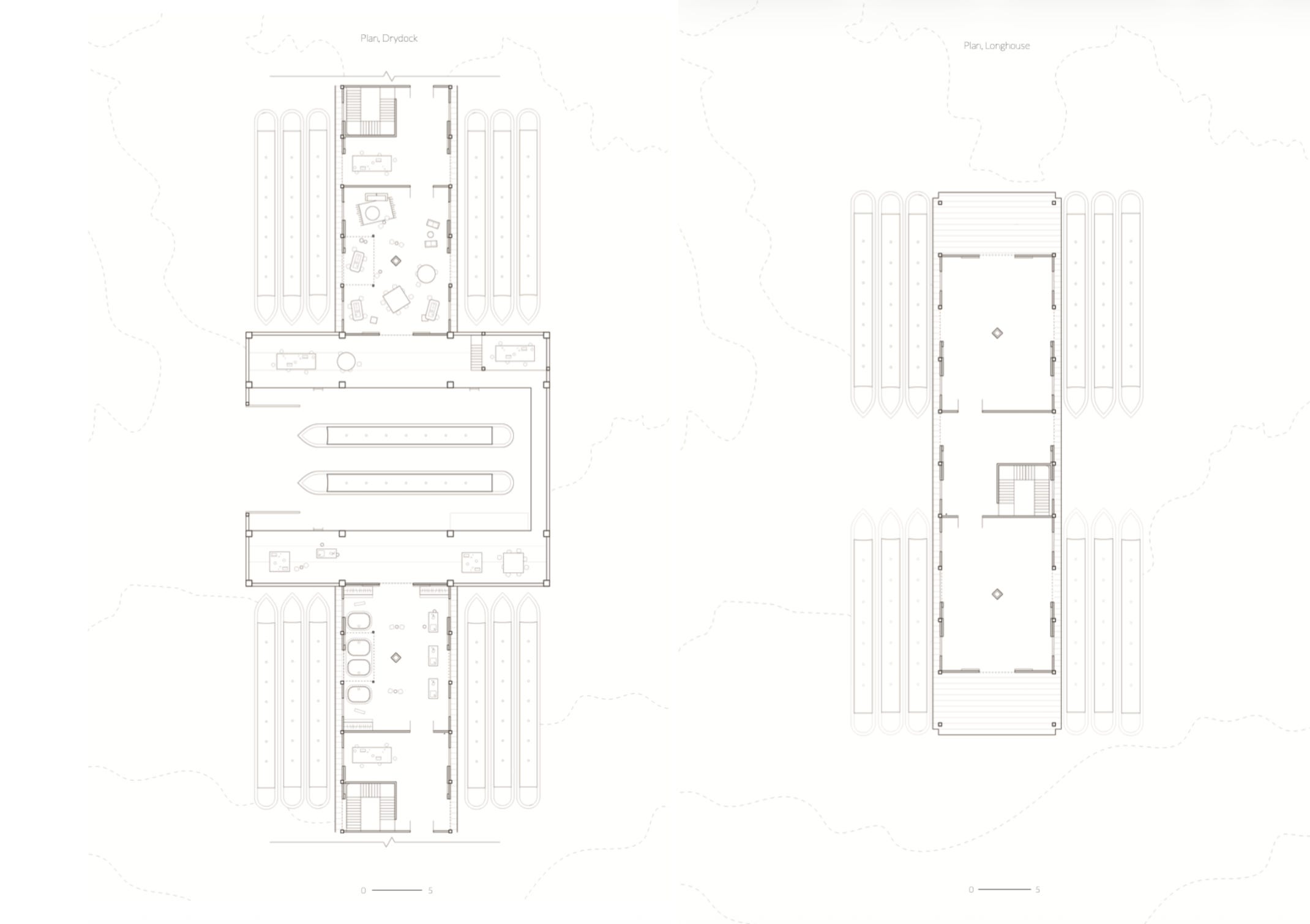
Living with Water by Robin Sparkes
The ground beneath you may appear fixed, but the most constant quality of existence is change itself. What presents as solid earth are tectonic plates in slow drift, driven by convective force. The same energy that once held Pangea together as a single landmass, fractured it into the continents we inhabit now. The ground moves just as the tides do, shifts with the current, responds to weather and season, only it unfolds across timescales beyond what we can see.

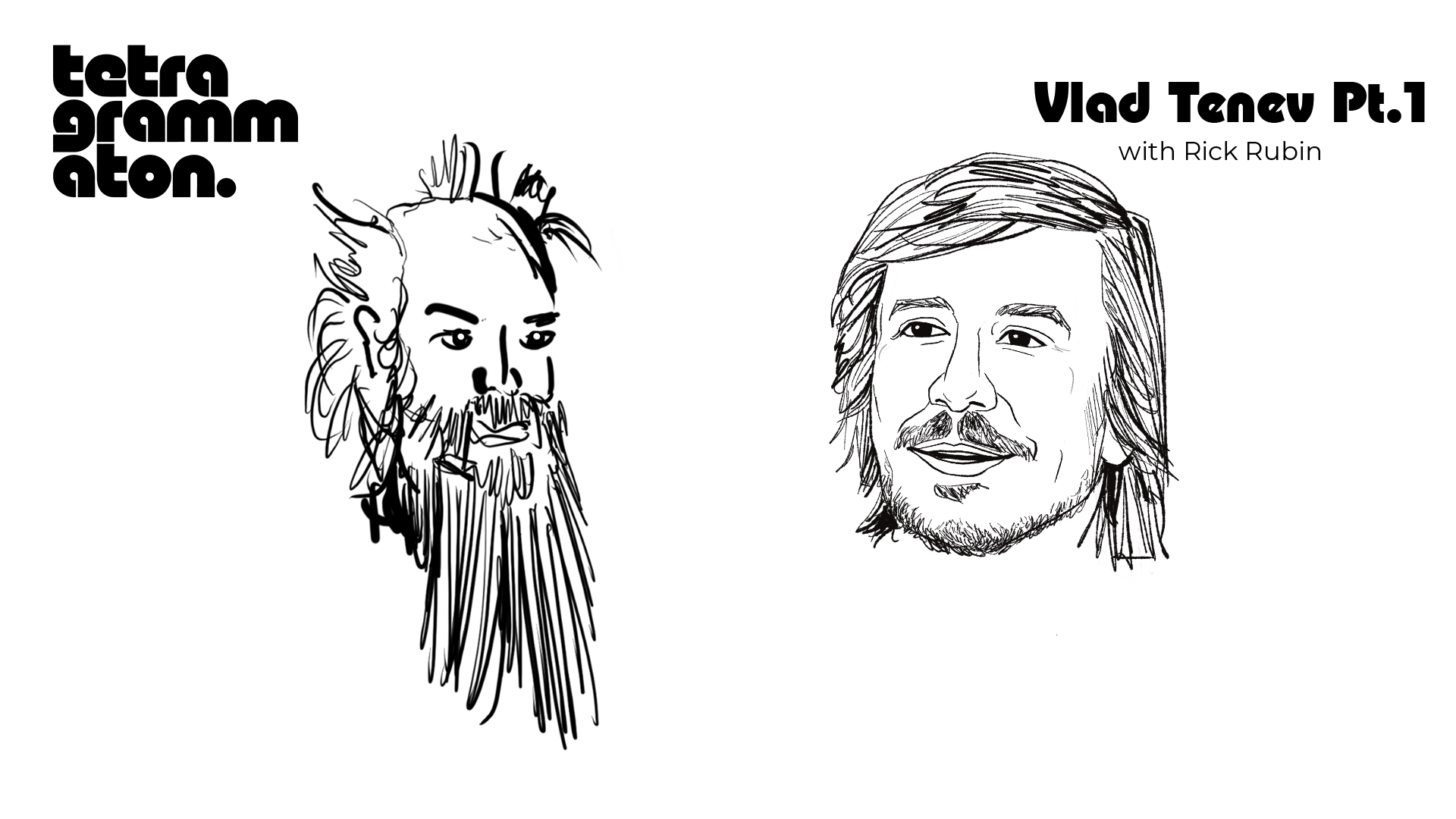
In early 2012, Vlad Tenev was at a party in San Francisco explaining his startup — a software company selling high-frequency trading infrastructure to hedge funds. A stranger listened, then asked a question that changed everything.
“So you’re telling me these customers trade tens of billions of dollars a day and they pay next to nothing? I have my Schwab account. They’re charging me $10, $20 a trade. Why can’t I have that?”
Vlad’s first instinct was to dismiss it. The software was for institutions. For developers. Not for people at parties.
But he couldn’t stop thinking about it.
Vlad Tenev is now the co-founder and CEO of Robinhood, the platform that forced every major brokerage in America to cut their trading commissions to zero. What started as a simple question — why do hedge funds get cheap trades and regular people don’t — became a company that now runs eleven business lines, each generating over $100 million in annual revenue.
In this week’s conversation with Rick, Vlad traces the full arc of that journey — from bonding with his co-founder over graduate-level physics problems at Stanford to surviving the chaos of GameStop.
He explains how a mathematics degree that made him nearly unemployable turned out to be the exact preparation he needed. He talks about what it took to raise a million dollars before being allowed to build a single feature, and why the incumbents’ first response to Robinhood was simply to pretend it wasn’t a threat.
Throughout the conversation, Vlad returns to the same instinct that started everything: the best financial products should work for everyone, not just the people who already have money.
“If you give people the best economics and the best customer experience, it’s really strong. One of the two gives you a good product. But if you nail both — that’s the whole thing.”
Paid subscribers can listen ad-free. Or find the conversation wherever you get your podcasts.
Rubin, you hack, the engineers whose work you took credit for are massing. There are torches and pitchforks.
https://neopasseism.substack.com/p/rick-rubin-part-1
❣️❣️❣️❣️